





























































 Home
Home

X1 Pro GNSS Receiver
learn more






 2026-04-20
 Chloe
Chloe


When setting up an RTK base station, users may notice that the base kit often includes an aluminum plate, while in other cases a tribrach is used. For some beginner users, the aluminum plate may not be immediately intuitive in terms of its purpose.
In fact, both are used to mount the receiver on a tripod, but they are designed for different use scenarios. This blog explains their differences and helps you choose the right option.

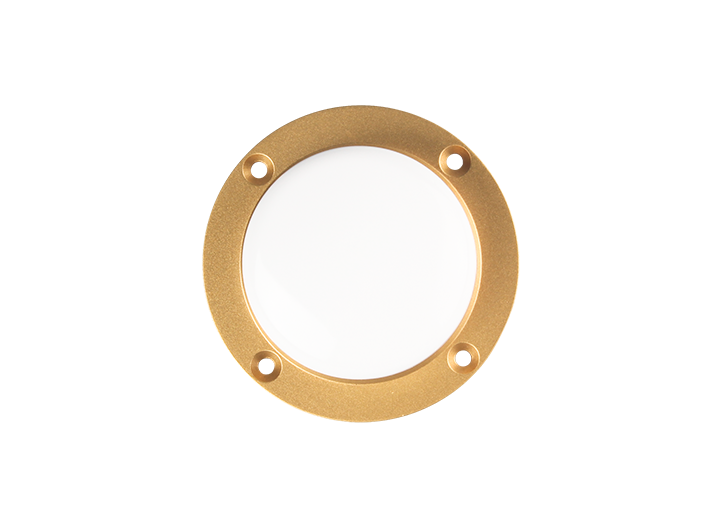
The aluminum plate is a simple and efficient mounting solution, mainly used for quick base station setup without a fixed control point.
In practice, the receiver (with extension pole) can be directly mounted onto the tripod using the aluminum plate. The setup process is straightforward and does not require precise centering.
This makes it particularly suitable for:
Temporary base stations
Routine RTK surveying tasks
General field work where absolute positioning is not critical
If needed, the site calibration function can be applied afterward to ensure coordinate consistency within the project.
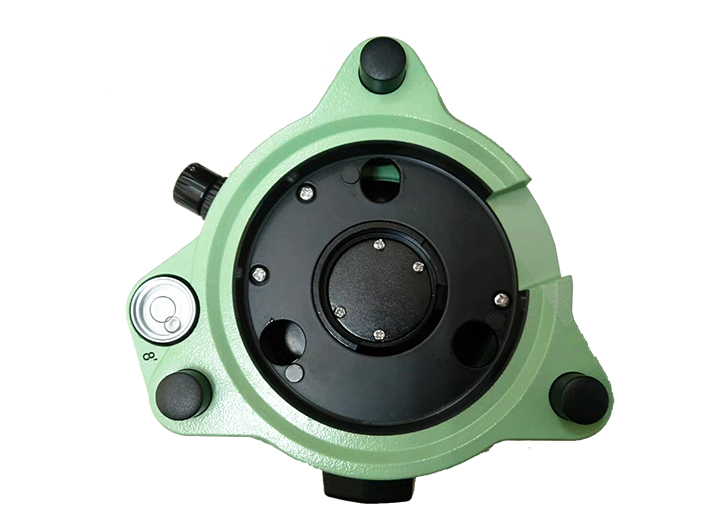
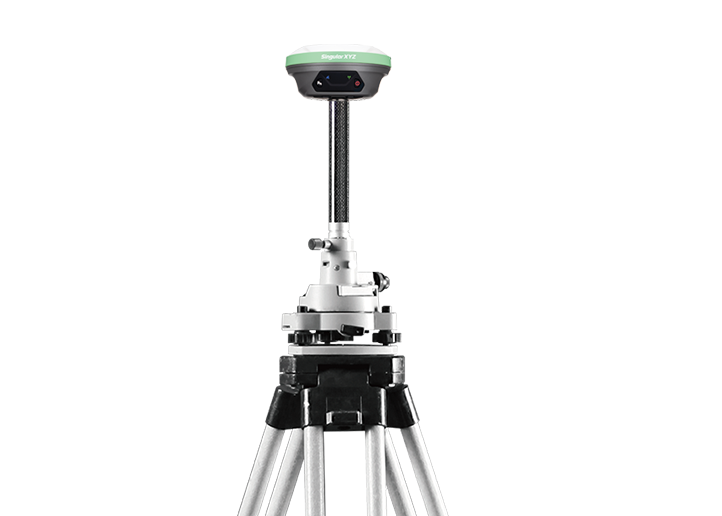
A tribrach is designed for applications that require high-precision setup over a known control point.
It allows the receiver to be positioned directly above a control point with accurate centering and leveling. This ensures proper alignment with the known coordinates, which is essential in high-precision surveying tasks.
Typical use cases include:
Control surveys
Projects requiring strict coordinate consistency
Long-term or repeatable base station setups
By ensuring accurate positioning of the base station, a tribrach helps improve overall measurement reliability and consistency.
In practice, the key difference comes down to whether accurate centering over a control point is required:
If you need a fast and convenient setup for general RTK work → Aluminum Plate is sufficient
If you need precise alignment with a known point → Tribrach is recommended
Both solutions are effective in RTK applications, but selecting the right one based on your project requirements will help balance efficiency and accuracy.
Although the aluminum plate and tribrach both serve as mounting solutions for RTK base stations, they are designed for different working scenarios.
The aluminum plate focuses on speed and simplicity, while the tribrach emphasizes precision and repeatability. By understanding their roles, users can choose the most suitable setup method for their specific surveying needs.