



























































 Home
Home

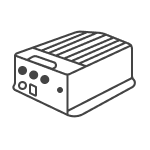
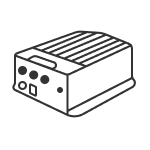
X1 Pro GNSS Receiver
learn more






 2026-05-05
 Chloe
Chloe


When using RTK receivers in the field, some users—especially in radio base mode—may notice that the battery drains faster than expected.
In most cases, this is not caused by a device issue, but is related to different working modes and usage conditions.
This blog explains how battery consumption varies in RTK applications and what factors influence the overall working time, helping you better plan your field operations.
The working time of an RTK receiver largely depends on its operating mode.
When the receiver is used in rover mode or as a network base, power consumption is relatively low, resulting in longer working time.
However, when operating as a radio base, especially under higher transmission power (such as 2 W), power consumption increases significantly, leading to shorter battery life.
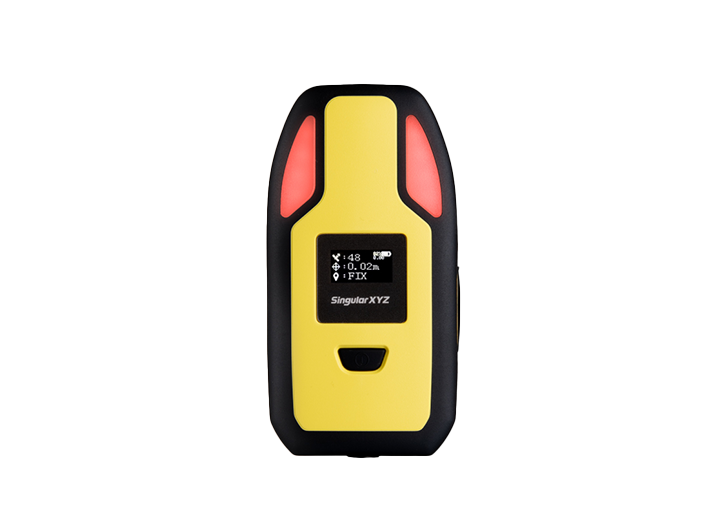
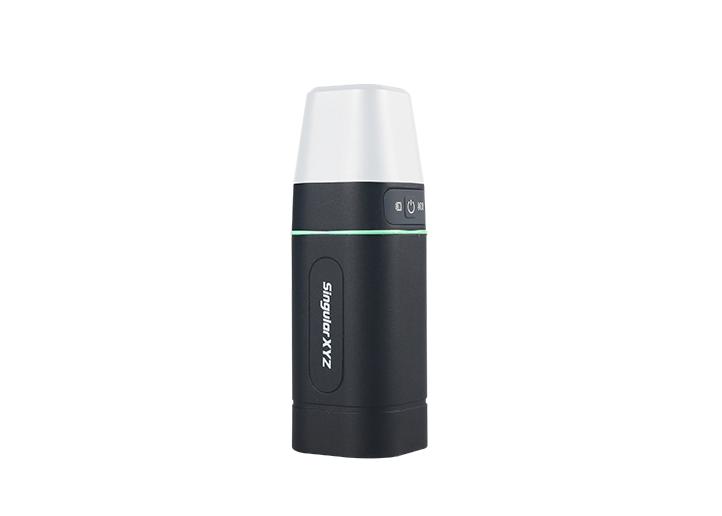
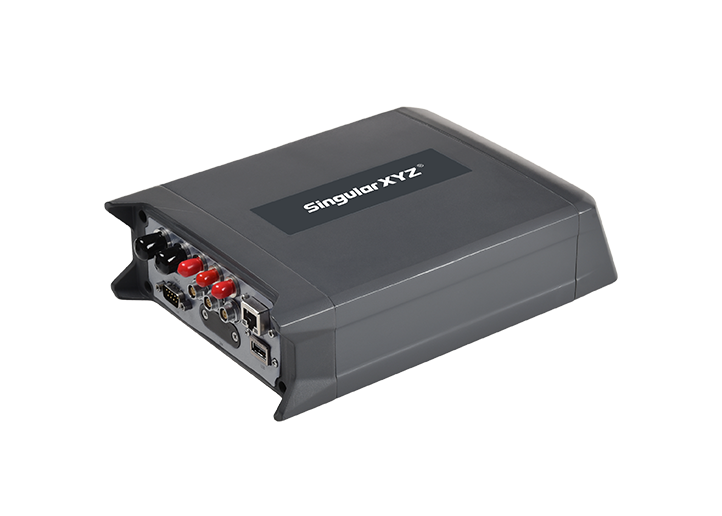
| Model | Rover/Network Base Mode | Radio Base Mode |
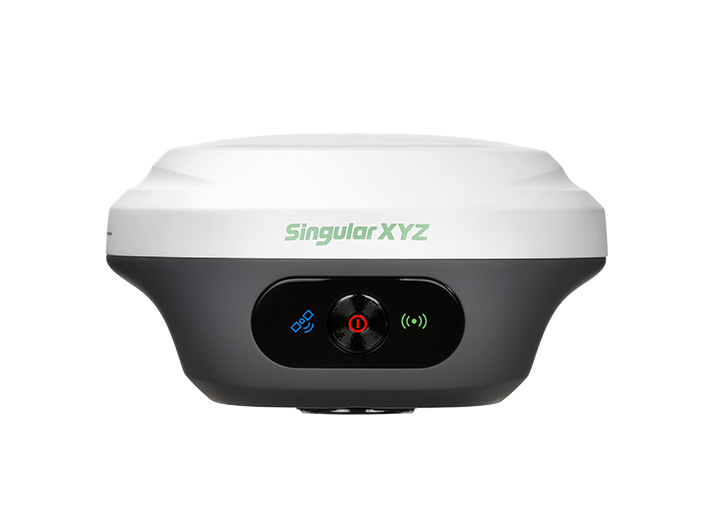
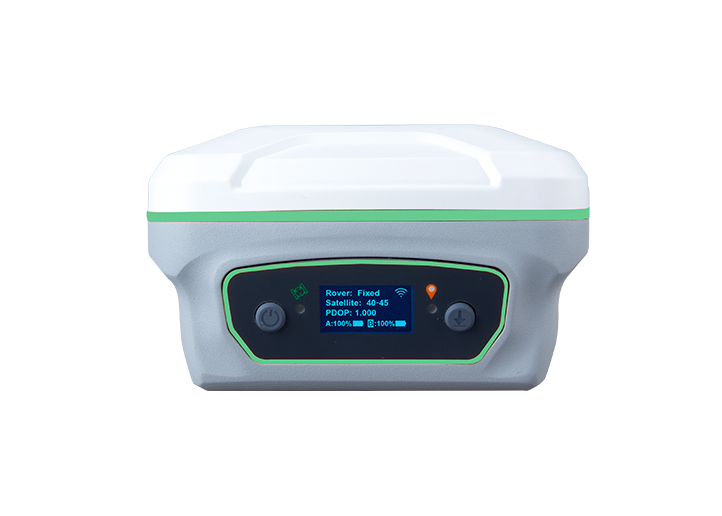
| X1 Series GNSS Receiver | Up to 20 hours | Around 8–10 hours in 2W radio base mode |
| Z1 Series GNSS Receiver | Up to 15 hours | Around 7–8 hours in 2W radio base mode |
| Xbase GNSS Receiver | Around 25-30 hours | Up to 15 hours in 5W radio base mode |
If a lower transmission power (e.g., 0.5 W) is used, the working time can be extended accordingly.
In practice, shorter working time in radio base mode is normal and does not indicate any issue with the device or battery.
In practice, battery consumption is not strictly linear, meaning the battery percentage does not decrease at a constant rate over time.
For example, the battery level may drop slowly at the beginning, then decrease more quickly under higher load conditions (such as radio base mode), or show noticeable fluctuations during different stages of use.
In addition, user behavior can significantly affect how battery life is perceived:
Partial charging: If the device is not fully charged before use, the displayed working time will naturally be shorter than expected.
Interrupted usage: Turning the device on and off multiple times, or using it intermittently, can make the battery level appear less stable.
Different load conditions: Switching between rover mode and radio base mode changes power consumption, which may result in uneven battery drop.
Because of these factors, two usage sessions under seemingly similar conditions may still result in different perceived working times. This is a normal characteristic of lithium battery behavior and does not indicate an issue with the device.
In addition to working mode, several external factors can influence battery performance:
Ambient temperature has a direct impact on battery performance. In higher temperature environments, the internal chemical reactions of lithium batteries become more active, which can lead to increased heat generation during operation.
When the device is running—especially in high-power modes such as radio base transmission—this additional heat buildup can reduce battery efficiency and accelerate power consumption, resulting in shorter working time.
To maintain stable performance, it is recommended to operate the device in a well-ventilated environment.
Battery condition is another important factor affecting overall working time. Like all lithium batteries, the capacity of the battery gradually decreases over time due to repeated charge and discharge cycles.
As the battery ages, its ability to store and deliver energy declines, which may lead to shorter operating time compared to when the device was new. This is a normal and expected characteristic of lithium battery usage.
To help maintain battery performance, it is recommended to avoid frequent deep discharge, use proper charging practices.
Battery working time in RTK receivers depends on multiple factors, including working mode, transmission power, and environmental conditions.
Radio base mode typically consumes more power, especially at higher transmission levels, which results in shorter operating time compared to rover mode.
By understanding these factors and adjusting usage accordingly, users can better manage power consumption and ensure more stable performance during field operations.